 EV Charger Installation
EV Charging at Apartments and Condos: Options for Residents
How renters, owners and property managers can add EV charging in shared parking.
Why apartments are different
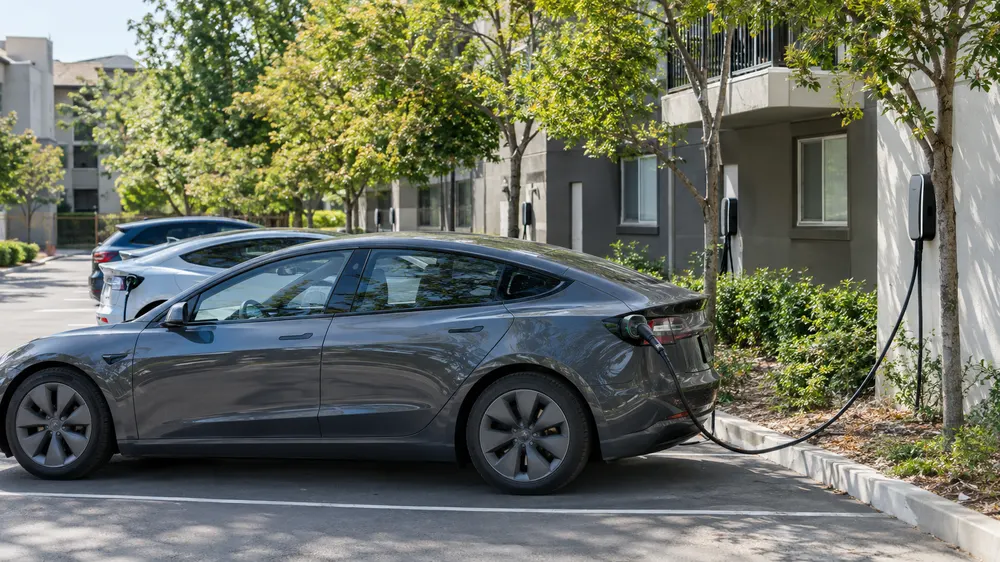
Home charging advice assumes you control the wall and the meter. Apartment and condo residents control neither, which turns a wiring project into a permission project. The obstacles are real: parking far from electrical rooms, buildings never designed for dozens of chargers, and legitimate questions about who pays for power. But the landscape has shifted decisively in residents' favor. Right-to-charge laws in a growing list of states limit refusals, networked chargers solve billing automatically, and utilities increasingly fund the expensive infrastructure through make-ready programs.
The residents who succeed share an approach: they make it easy to say yes. That means a professional proposal, a clear cost-recovery plan and patience with the board's calendar.
It also helps to think in phases. A single charger for one resident today becomes three requests next year, and buildings that start with scalable infrastructure, a subpanel or conduit run sized for growth, spend once and expand cheaply. Framing the ask that way turns a personal favor into the building's first step on something inevitable, and boards respond to it.
Know your rights first
Right-to-charge statutes now cover a meaningful share of the country, and their shape is similar everywhere: an association or landlord cannot unreasonably deny a resident's request to install charging at their own expense, while reasonable conditions on insurance, licensed contractors, design and cost responsibility remain enforceable. Some laws cover condos, some cover rentals, some cover both. Look up your state's rule before the first conversation; asking for a process the law already guarantees is a very different posture than asking for a favor. Your state page on this site lists the relevant laws by name where they exist.
A proposal that gets approved
Boards approve proposals that answer their questions before they are asked. The questions are always the same. What will it look like? A drawing with the charger location, conduit route and mounting answers that. Who pays? The resident covers installation and electricity, stated plainly. How is power tracked? A dedicated meter, a submeter, or a networked charger's per-driver billing. Who is liable? A licensed, insured contractor does the work, and the resident carries any required coverage. What happens when the resident leaves? Standard language covers removal or transfer.
A contractor experienced in multifamily work drafts most of this for you; many have template proposals because they have shepherded dozens through boards. Bring the contractor to the meeting if you can. Technical questions answered on the spot save a month of email.
If you rent
Renters face a higher bar because the decision belongs fully to the owner, except where right-to-charge laws extend to tenants. The strongest plays: propose a setup that adds value to the property, offer to cover costs, and point the owner to make-ready incentives that pay for infrastructure. A landlord hearing "this upgrade helps you lease the next unit too" listens differently.
If you manage property
Requests compound, so write the policy now: standard installation requirements, an approved contractor list, a metering approach and a cost-recovery method. Shared networked chargers with load management serve the most drivers per dollar, and charging has become a leasing amenity that shows up in listing photos. The buildings that planned early are renting to the drivers the others turned away.
While you wait: bridging options
Approvals take months sometimes, and life continues. Level 1 charging from an ordinary outlet, with the property's permission, covers short commutes surprisingly well. Workplace charging, where available, shifts the need away from home entirely. Public Level 2 stations near home or grocery runs carry many drivers week to week at moderate cost. None of these replaces a home charger, but they make the waiting period workable, and they clarify exactly how much charging capacity you will need once the approval lands.
Working with an independent electrician
evchargerinstallation.org is a referral service, not a contractor. When you call, we connect you with an independent electrician who serves your area and handles EV charger installation regularly. The contractor inspects your setup, provides a written estimate, pulls the permit where required, completes the work and stands behind it. You pay the contractor directly at a price they set, and the written estimate is the number to rely on. Our role is the first step: making sure one phone call reaches someone local and experienced.
What to have ready when you call
A few details make the first conversation productive. Your ZIP code routes the call. Your vehicle's make and model determines the charging rate the circuit should target. Where you park, garage, driveway or shared lot, shapes the install type. If you know your panel's main breaker size, usually stamped 100, 150 or 200, mention it; a photo of the open panel sent later helps the electrician quote accurately. And if you have a deadline, like a vehicle delivery date, say so up front.
Common questions
Are the contractors independent?
Yes. Every electrician we refer runs an independent business. They set their own pricing, carry their own insurance and are solely responsible for their work.
Do cost figures here apply to my home?
They are rough planning ranges drawn from typical jobs. Your home's panel, wire run and local labor market decide the real number, which is why every estimate here is followed by the same advice: get it in writing from the electrician who sees your panel.
Is the federal tax credit still available?
No. The Section 30C credit for home charging equipment ended for property placed in service after June 30, 2026. State, local and utility programs may still apply and are listed on each state page.
How fast can someone come out?
Scheduling varies by market and season. In most areas an estimate visit happens within days, and the work itself within one to three weeks including permits. Vehicle delivery dates are worth mentioning when you call.
The job, step by step
Knowing the sequence removes most of the anxiety from any electrical project. It begins with the estimate visit or photo review, where the electrician examines the panel, confirms capacity with a load calculation, measures the wire route and talks through equipment options. The written estimate follows, listing the circuit size, materials, equipment, permit fees and labor so the scope is unmistakable. Once you approve, the contractor pulls the permit and schedules the work.
Install day starts with the power to the work area shut off and locked out. The new breaker lands in the panel, wire is pulled along the planned route through conduit or finished framing, and the equipment is mounted, connected and configured. Smart units join your Wi-Fi and get their scheduling set. The electrician then tests the circuit under load, verifies voltage and polarity, labels the panel and walks you through operation and basic care. The inspection closes the loop on the city or county's schedule, usually within days, and the documented, permitted circuit becomes part of the house.
After the work, a few habits protect the investment. Keep the permit record and the invoice with your home documents; insurers and future buyers both ask for them. Register the charger with the manufacturer for warranty coverage. Check the unit monthly for damage or error lights, and set the charging schedule to match your utility's cheapest hours if a time-of-use plan is available. That is the whole ownership routine for a device that will likely outlast the car it charges.
Planning checklist
Before the first call, a short list keeps everything moving. Confirm where the vehicle will park most nights and measure the rough distance to the electrical panel. Note the panel's main breaker size and whether open slots are visible. Check your utility's website for EV rates and charger rebates, since some programs require approval before installation. If you rent or answer to an association, review the approval process early, because it usually takes longer than the electrical work. Think about whether a second EV is likely in the next few years, since planning for it now is nearly free. Finally, decide on a rough budget and remember that cost figures on this site are planning ranges, not quotes.
When the electrician visits, three questions are always worth asking: what does the load calculation say, what would change the price, and is there anything you would do differently if this were your house. The answers tend to be short, specific and genuinely useful.
One call, nationwide
This site serves more than 28,000 cities across all 50 states and the District of Columbia, and the process is the same everywhere: call the number at the top of this page, share your ZIP and your vehicle, and get connected with an independent electrician in your area who handles EV charger installation. Availability varies by location, and the agent who answers will tell you straight whether there is an installer near you. In most metro and suburban areas the answer is yes, often with same-week estimate visits.
If you are still in the research stage, the state pages here collect the incentives, utility programs, registration fees and electricity rates that shape what charging costs where you live, and the city pages add local detail on housing stock and permits. When research turns into a decision, the phone number is on every page.
The bottom line
Most EV charger installation questions resolve into a short list: get the panel checked, get the scope in writing, pull the permit, and hire someone licensed who does this work every week. The technology is proven, the process is routine for a good electrician, and the result is the part of EV ownership people actually notice, a car that is always ready. When you are ready to move from reading to doing, call the number at the top of the page and we will connect you with an independent electrician near you.
Start with a conversation
If you rent or own in an association, begin with the property manager or board. A short proposal from a contractor, including cost, location and who pays for power, makes approval easier.
Common setups
Chargers at assigned spaces, shared chargers with a turn policy, and networked chargers that bill the driver are the usual choices. Newer buildings may already have conduit or panel space.
Know your rights
Some states have right-to-charge laws that help residents request a charger. Rules differ, so check your local rules and your lease or association documents.