 EV Charger Installation
Nevada
EV Charger Installation in Nevada
Find EV charger installation, repair and panel upgrades across Nevada. We connect you with independent electricians in 130 Nevada communities. About 643 public charging stations operate statewide, but most EV miles start at home.
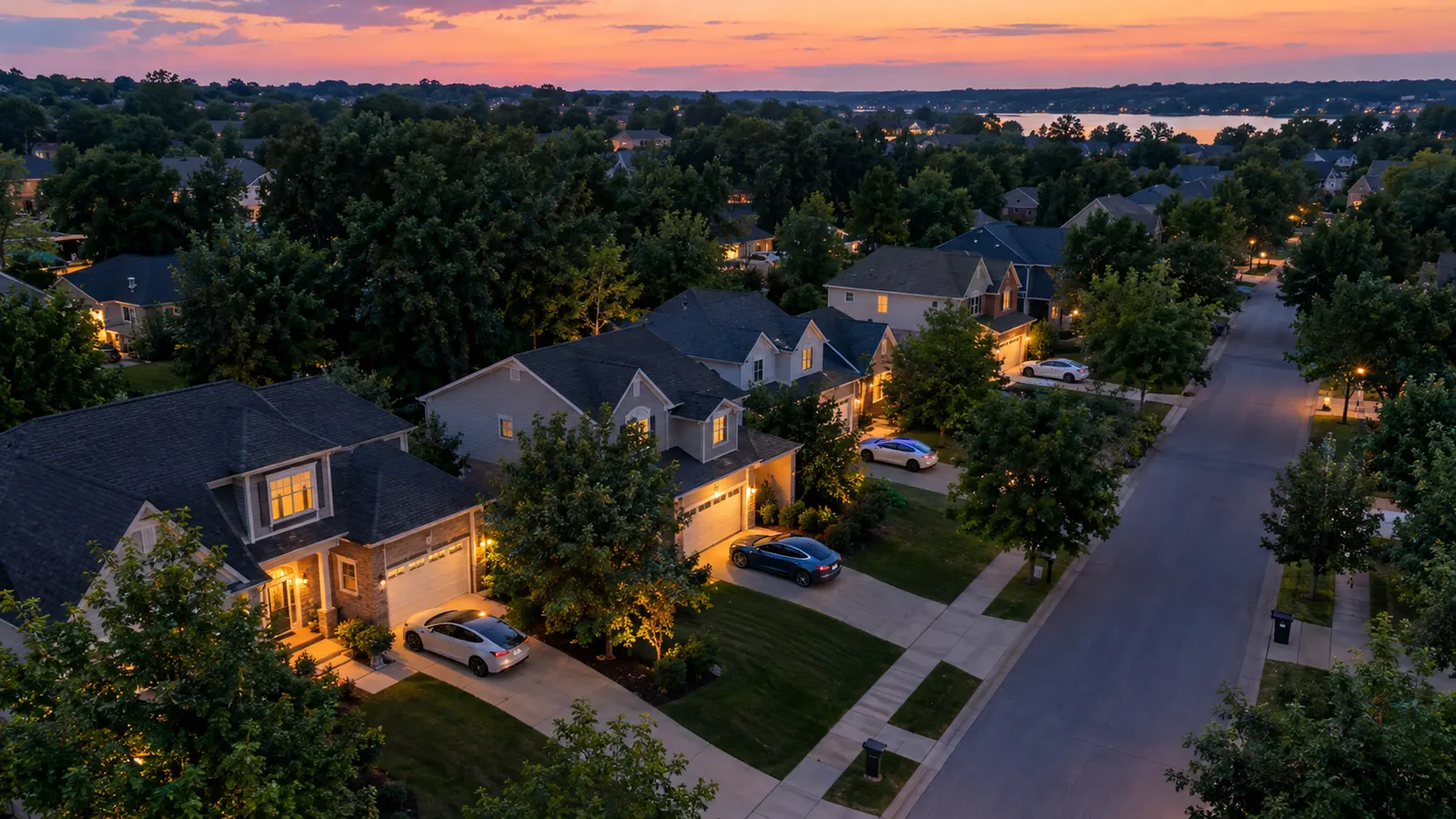
EV charging in Nevada
Desert heat in Nevada makes shaded or indoor charger placement important for equipment life and charging speed. County or city building departments permit EV circuits under the NEC, and many homes have the panel capacity for a 40 to 60 amp circuit.
Residential electricity in Nevada averages about 13.3 cents per kWh in 2025 EIA data, so home charging costs roughly $4.42 per 100 miles. The average Nevada home uses about 868 kWh a month, and an EV typically adds 300 to 400 kWh.
Nevada does not currently charge an EV-specific registration fee. Roughly 643 public charging stations are listed statewide, and drivers most often rely on a home Level 2 charger for daily use.
Nevada EV incentives and utility programs
The U.S. Department of Energy AFDC lists 2 for drivers in Nevada, based on AFDC data retrieved November 6, 2026. Program names below come from that dataset; always confirm current status, funding and eligibility on the official program page before counting on a rebate.
Rebates, tax credits and perks
- Alternative Fuel Vehicle (AFV) and Hybrid Electric Vehicle (HEV) Emissions Inspection Exemption
- Idle Reduction Technology, Natural Gas Vehicle (NGV), and Electric Vehicle (EV) Weight Exemption
Home and community charging incentives
None listed right now.
Utility EV programs
None listed right now.
Laws that affect EV owners
- Alternative Fuel Vehicle (AFV) and Infrastructure Grants Authorization
- Electric Vehicle (EV) Parking Space Regulation
Recently ended programs: Authorization for High Occupancy Vehicle (HOV) Lane Exemption. Federal EV purchase credits ended September 30, 2025, and the Section 30C charger credit ended June 30, 2026.
Permits and code in Nevada
A new EV charging circuit is permitted electrical work in most of Nevada. The electrician sizes the breaker, wire and GFCI protection to the National Electrical Code, including Article 625, pulls the permit and schedules the inspection. Desert heat in Nevada makes shaded or indoor charger placement important for equipment life and charging speed. County or city building departments permit EV circuits under the NEC, and many homes have the panel capacity for a 40 to 60 amp circuit.
Nevada EV charging questions
Are there EV charger rebates in Nevada?
The U.S. Department of Energy AFDC lists 2 for drivers in Nevada, plus 1 utilities with residential EV programs. The federal Section 30C charger credit ended for property placed in service after June 30, 2026.
How much does it cost to charge an EV in Nevada?
Residential electricity in Nevada averages about 13.3 cents per kWh in 2025 EIA data, so home charging costs roughly $4.42 per 100 miles. The average Nevada home uses about 868 kWh a month, and an EV typically adds 300 to 400 kWh.
Do I need a permit for a home charger in Nevada?
Most Nevada cities and counties require an electrical permit and inspection for a new 240-volt circuit. The installing electrician normally handles it.
Does Nevada charge an EV registration fee?
Nevada does not currently charge an EV-specific registration fee.